Healthy food and good nutrition are essential for maintaining a strong body, a sharp mind, and an active lifestyle. The food we eat provides the nutrients and energy needed for growth, repair, and daily activities. A balanced diet not only helps people stay physically fit but also reduces the risk of many diseases. In today’s fast-paced world, where processed foods and unhealthy eating habits are common, understanding the importance of nutrition is more important than ever.
Healthy food and good nutrition are essential for maintaining a healthy body and mind. The food people eat every day affects their energy levels, growth, development, and overall well-being. A balanced diet provides the nutrients necessary for the body to function properly and helps prevent many diseases. In today’s fast-paced world, where processed and fast foods are easily available, understanding the importance of healthy eating has become more important than ever.
Food is the primary source of energy for the human body. Every activity, from walking and studying to working and exercising, requires energy that comes from food. However, not all foods provide the same nutritional value. Healthy foods contain essential nutrients that support bodily functions, while unhealthy foods often contain excessive amounts of sugar, salt, and unhealthy fats that may contribute to various health problems.
Good nutrition involves consuming the right balance of nutrients, including carbohydrates, proteins, fats, vitamins, minerals, and water. Each nutrient plays a specific role in maintaining health. Carbohydrates provide energy, proteins help build and repair tissues, fats support cell growth and protect organs, vitamins and minerals regulate body processes, and water keeps the body hydrated and functioning efficiently.
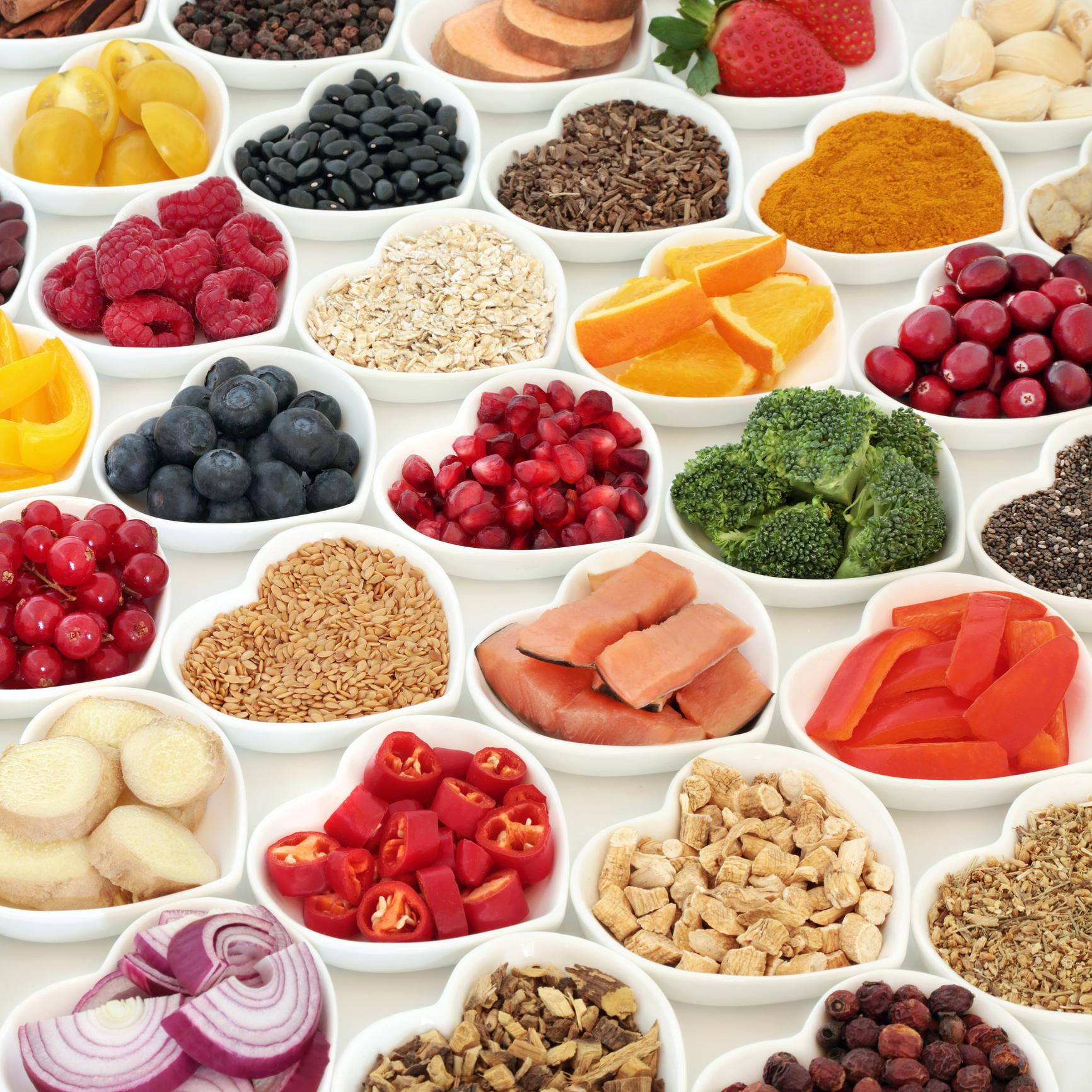
Fruits and vegetables are among the most important components of a healthy diet. They are rich in vitamins, minerals, antioxidants, and dietary fiber. Antioxidants help protect cells from damage caused by harmful molecules known as free radicals. Fiber supports digestive health and helps maintain a healthy weight by promoting feelings of fullness. Eating a variety of colorful fruits and vegetables ensures that the body receives a wide range of nutrients necessary for optimal health.
Whole grains are another important part of a nutritious diet. Foods such as brown rice, oats, whole wheat bread, and quinoa provide complex carbohydrates and fiber. Unlike refined grains, whole grains retain their natural nutrients and help maintain stable blood sugar levels. They also support heart health and contribute to long-lasting energy throughout the day.
Protein is essential for growth, development, and tissue repair. Good sources of protein include fish, poultry, lean meat, eggs, dairy products, beans, lentils, nuts, and seeds. Protein helps build muscles, supports immune function, and contributes to overall body maintenance. People of all ages need adequate protein intake to maintain health and support daily activities.
Healthy fats are also necessary for the body. Although many people associate fats with weight gain, certain fats are essential for good health. Sources of healthy fats include avocados, olive oil, nuts, seeds, and fatty fish such as salmon. These fats support brain function, hormone production, and heart health. In contrast, trans fats and excessive saturated fats should be limited because they may increase the risk of heart disease.
Water is often overlooked as a vital nutrient. The human body is composed largely of water, and proper hydration is necessary for digestion, circulation, temperature regulation, and waste removal. Drinking enough water each day helps maintain energy levels, improves concentration, and supports overall health. Water is generally the best choice for hydration, while sugary beverages should be consumed in moderation.
Good nutrition plays a significant role in maintaining a healthy weight. Obesity has become a growing concern worldwide due to poor dietary habits and sedentary lifestyles. Consuming excessive calories, especially from sugary drinks and processed foods, can lead to weight gain and increase the risk of chronic diseases. A balanced diet combined with regular physical activity helps maintain a healthy body weight and promotes long-term health.
Healthy eating is particularly important during childhood and adolescence. Young people require adequate nutrition to support growth, brain development, and physical activity. Children who consume balanced diets are more likely to perform well academically, maintain healthy body weights, and develop strong immune systems. Parents and caregivers play an important role in encouraging healthy eating habits from an early age.
Healthy Food and Good Nutrition: Nutrition also affects mental health. Research suggests that a healthy diet can positively influence mood, concentration, and cognitive function. Nutrient-rich foods provide the brain with the fuel it needs to function effectively. Diets rich in fruits, vegetables, whole grains, and healthy fats have been associated with better mental well-being, while excessive consumption of highly processed foods may contribute to mood disorders and reduced cognitive performance.
A strong immune system depends on good nutrition. Vitamins such as Vitamin C, Vitamin D, and Vitamin A, along with minerals like zinc and iron, help support immune function. Consuming a variety of nutrient-rich foods can strengthen the body’s defenses against infections and illnesses. Healthy eating habits contribute to resilience and faster recovery from illness.
Poor nutrition can lead to various health problems. Nutrient deficiencies may cause fatigue, weakened immunity, poor growth, and other complications. At the same time, excessive consumption of unhealthy foods can increase the risk of conditions such as heart disease, diabetes, high blood pressure, and certain cancers. Maintaining a balanced diet is one of the most effective ways to reduce these risks and support long-term health.
Modern lifestyles often present challenges to healthy eating. Busy schedules, convenience foods, and aggressive marketing of unhealthy products can make it difficult for people to maintain nutritious diets. However, making small, consistent changes can have a significant impact. Preparing meals at home, choosing fresh ingredients, reading food labels, and limiting processed foods are practical strategies for improving nutrition.
Meal planning can help individuals make healthier choices. Planning meals in advance allows people to include a variety of nutritious foods and avoid impulsive eating decisions. Balanced meals typically include vegetables, fruits, lean proteins, whole grains, and healthy fats. Portion control is also important, as consuming appropriate serving sizes helps maintain energy balance and prevent overeating.
Healthy Food and Good Nutrition: Healthy eating does not mean eliminating all favorite foods. Moderation is key to maintaining a sustainable and enjoyable diet. Occasional treats can be part of a balanced lifestyle when consumed in reasonable amounts. The goal is to develop healthy eating patterns that can be maintained over the long term rather than following restrictive diets that are difficult to sustain.
Schools, communities, and governments also play important roles in promoting nutrition. Educational programs can increase awareness about healthy eating and encourage positive lifestyle choices. Access to affordable, nutritious foods is essential for supporting public health and reducing nutrition-related diseases. Community initiatives such as farmers’ markets and school meal programs can help improve access to healthy foods.
Technology has also influenced nutrition in both positive and negative ways. While fast-food delivery services have increased access to convenience foods, technology has also made nutritional information more accessible. Mobile applications, online resources, and health tracking tools can help individuals monitor their diets and make informed food choices.
Cultural traditions often influence dietary habits. Around the world, different cultures have developed unique cuisines based on locally available ingredients and traditional cooking methods. Many traditional diets emphasize whole foods, fresh produce, and balanced meals. Preserving these healthy traditions while adapting to modern lifestyles can contribute to improved nutrition and health outcomes.

As awareness of nutrition continues to grow, more people are recognizing the importance of making informed food choices. Small changes such as eating more vegetables, reducing sugary drinks, choosing whole grains, and drinking more water can have substantial health benefits. Over time, these habits can improve energy levels, support healthy aging, and enhance overall quality of life.
Healthy food and good nutrition are fundamental to human health and well-being. They provide the nutrients necessary for growth, energy, disease prevention, and overall functioning. By making balanced food choices and adopting healthy eating habits, individuals can support both physical and mental health throughout their lives. Good nutrition is not merely about avoiding illness; it is about creating the foundation for a healthier, happier, and more productive future. Investing in healthy eating today can lead to lifelong benefits and contribute to a better quality of life for people of all ages.
- Outbound Links